Designing Effective Molds for Successful Compression Molding
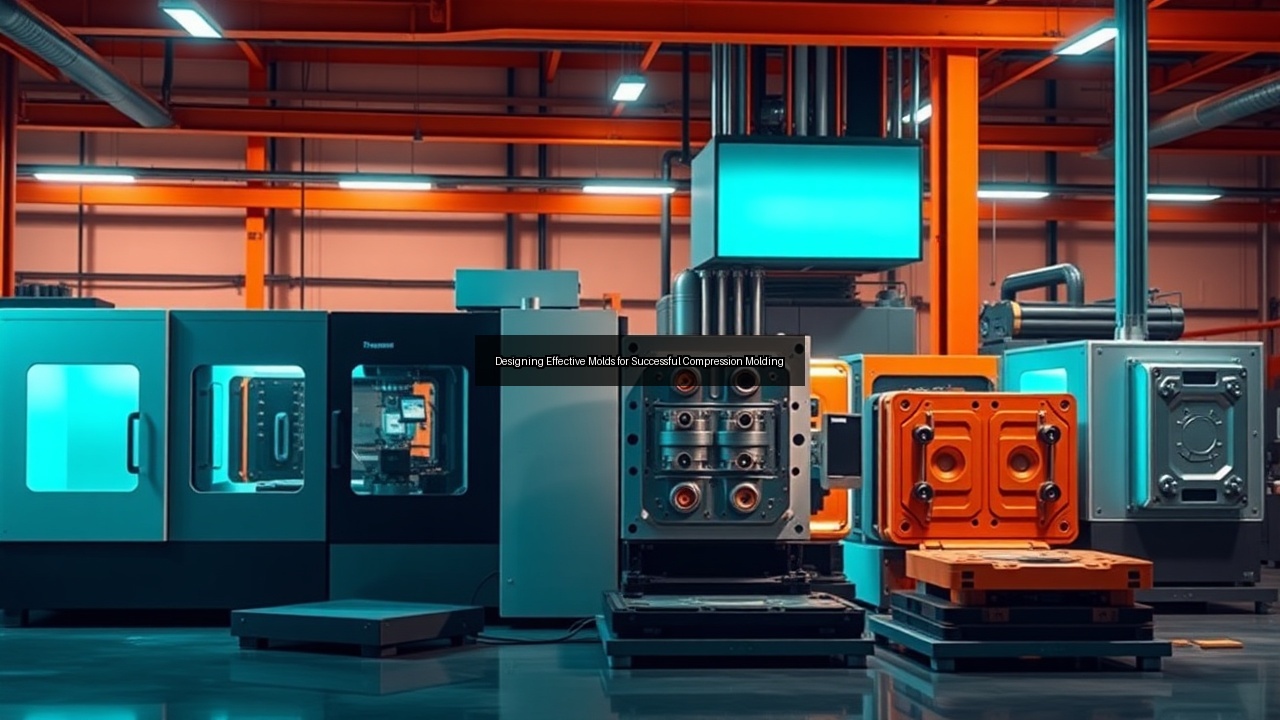
Understanding Compression Molding and Its Applications
Overview of the Compression Molding Process
Compression molding is a widely used manufacturing process that shapes materials into specific forms through a combination of heat and pressure. The process begins with placing a predetermined amount of material, often in the form of pellets or sheets, into an open mold. Once the mold is closed, heat is applied, causing the material to flow and fill the cavity. The pressure ensures that the material conforms to the mold's shape, leading to a finished product after cooling. This approach is particularly effective for thermosetting plastics, which harden permanently when heated, making compression molding ideal for creating durable components.
Key Applications of Compression Molding
Compression molding finds applications across numerous industries, including automotive, aerospace, electronics, and consumer goods. In the automotive sector, manufacturers utilize compression molded parts for interior components, insulation materials, and even exterior trims. The aerospace industry benefits from lightweight, high-strength components compression molding processes produced through this process. Additionally, compression molded products are prevalent in the production of electrical insulators and various consumer goods, such as kitchenware and household items. This versatility highlights the adaptability of compression molding services to meet diverse manufacturing needs.
Advantages of Compression Molding Over Other Processes
Compression molding offers several advantages compared to other manufacturing processes, including injection molding. One major benefit is the ability to produce larger, thicker parts without the need for complex machinery. The process also typically requires less energy than injection molding, leading to cost savings for manufacturers. compression molding machine Furthermore, the compression molding process minimizes waste, as any excess material can often be reused. The resulting parts also exhibit excellent surface finishes and dimensional stability, making them suitable for high-quality applications where precision is paramount.
Designing Effective Molds for Compression Molding
Critical Design Considerations for Molds
Designing effective molds is crucial for the success of the compression molding process. Key considerations include the mold's geometry, including the cavity design and the location of gates and vents. Proper venting allows air to escape during the molding process, preventing defects such as trapped air bubbles. Mold temperature control is another essential factor. Maintaining consistent temperatures throughout the mold ensures uniform material flow and reduces cycle times. Additionally, the choice of materials for the mold itself is vital; they must withstand high pressures and temperatures while maintaining their integrity over multiple cycles.
Material Specifications for Compression Molds
Choosing the right materials for compression molds significantly influences the performance and longevity of the molds. Common materials include steel and aluminum, each offering different benefits. Steel molds, while heavier and more expensive, provide superior durability and are suitable for high-volume production runs. Aluminum molds, on the other hand, are lighter and offer faster heat transfer, making them ideal for prototyping or low-volume production. The selected material must also resist corrosion and wear, as these factors can lead to increased maintenance costs and downtime in the manufacturing process.
Reliability and Durability in Mold Design
Reliability and durability are paramount in mold design for compression molding. Engineers must take into account the number of cycles the mold will endure throughout its lifespan. A well-designed mold can withstand hundreds or even thousands of cycles without significant wear or failure. Incorporating features such as reinforced areas and proper cooling channels enhances the mold's durability. Regular maintenance and inspection also contribute to long-term reliability, ensuring that molds perform optimally. Ultimately, investing in high-quality mold design pays off in reduced production costs and improved product quality.
Optimizing the Compression Molding Process
Factors Influencing Compression Pressure and Temperature
Success in compression molding hinges on optimizing critical factors such as pressure and temperature. The amount of pressure applied during the molding process affects the material’s flow characteristics and the final product's density. Higher pressures can lead to improved material distribution but may also increase the risk of defects. Similarly, temperature plays a crucial role in the curing process of thermosetting plastics. Each material has specific temperature requirements for optimal performance, so careful monitoring and adjustment are necessary to achieve the desired results. Understanding these variables allows manufacturers to fine-tune their processes for efficiency and quality.
Common Challenges in Compression Molding Production
Manufacturers face several challenges during compression molding production. One common issue is achieving consistent material flow, which can lead to variations in product quality. Insufficient venting can result in air entrapment, causing defects in the final product. Additionally, maintaining the right balance between pressure and temperature is crucial; too much of either can compromise the material’s properties. Staying ahead of these challenges requires thorough testing and quality control measures. Continuous monitoring of the molding process helps identify potential problems early, allowing for timely adjustments and minimizing waste.
Best Practices for Efficient Compression Molding Services
Implementing best practices enhances the efficiency of compression molding services. Start with thorough planning, including precise mold design and material selection. Regularly maintaining molds and machinery ensures reliability and longevity. Training personnel in proper operation techniques boosts productivity and reduces errors. Utilizing data analytics for process optimization can help identify trends and areas for improvement over time. Collaboration with experienced compression molding suppliers can also provide valuable insights into industry standards and innovations that can streamline operations, ultimately leading to higher quality products and reduced costs.
Choosing the Right Compression Molding Company
Evaluating Compression Molding Suppliers
Selecting the right compression molding company can significantly impact production outcomes. Evaluate potential suppliers based on their experience, reputation, and capabilities. A reliable supplier should have a proven track record in delivering quality products on time. Consider their expertise in specific applications relevant to your industry. Additionally, assess their technology and equipment; modern, well-maintained machinery can enhance production efficiency and product quality. Requesting samples and references from previous clients can also provide insights into the supplier’s reliability and customer service.
The Role of Technology in Compression Molding Services
Technology plays a critical role in modern compression molding services. Advanced software solutions assist in mold design and simulation, allowing for precise adjustments before physical production begins. Automation in the molding process reduces human error and increases efficiency, leading to faster turnaround times. Additionally, innovations in material science have led to the development of superior compounds that enhance performance and durability. Embracing these technological advancements enables companies to stay competitive and meet the ever-evolving demands of the market.
Comparing Compression Molding and Plastic Injection Molding
While both compression molding and plastic injection molding serve similar purposes, they differ in their processes and applications. Compression molding excels in producing larger, thicker parts, making it suitable for items like automotive components and industrial products. In contrast, injection molding is ideal for creating intricate shapes and smaller parts with high precision. Each method has its own set compression molding applications of advantages and limitations; choosing between them depends on factors such as production volume, part complexity, and material type. Understanding these differences helps manufacturers select the appropriate method for their specific needs.
See Also
- How Compression Molding Services Transform Industries with Unmatched Reliability
- The Benefits of Custom Compression Molding Solutions for Unique Projects
- Maximizing Reliability in Compression Molding Services for High-Quality Outputs
- How to Optimize Your Compression Molding Process for Better Results