Unlocking Efficiency with Contract Assembly Services for Your Manufacturing Needs
Understanding Contract Assembly Services
What Are Contract Assembly Services?
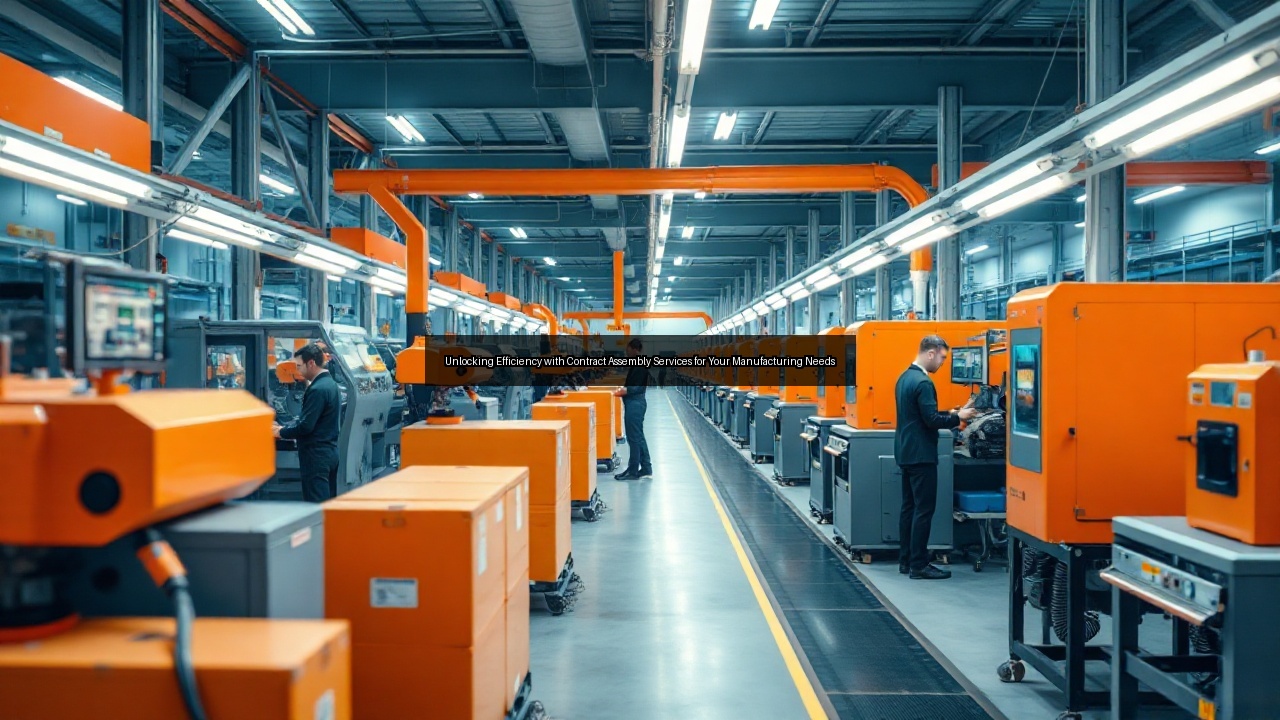
Contract assembly services refer to the outsourcing of manufacturing processes to specialized companies that handle the assembly of products. These services encompass a wide range of activities, including sourcing materials, fabricating components, and assembling final products. Companies often turn to contract assembly providers to leverage their expertise and reduce the complexity of production. Manufacturers can focus on their core competencies while relying on experts who understand intricate manufacturing processes. This collaboration often leads to enhanced efficiency, shorter production cycles, and improved product quality.
Benefits of Outsourcing Manufacturing Needs
Outsourcing manufacturing needs through contract assembly services presents numerous advantages. First, it significantly reduces overhead costs associated with maintaining an in-house assembly line. Companies avoid the expenses of equipment, staffing, and training by partnering with a contract manufacturer. Additionally, these providers bring specialized knowledge and advanced technologies to the table, which can result in superior product quality. Outsourcing also allows for increased flexibility, enabling companies to scale production quickly in response to market demands. This agility is crucial in today’s fast-paced manufacturing environment, where the ability to adapt can mean the difference between success and failure. services from contract assembly manufacturer
The Role of Contract Manufacturers in Production
Contract manufacturers play a pivotal role in the production landscape by acting as a bridge between design and market delivery. These manufacturers not only assemble products but also often engage in the engineering and prototyping phases. By utilizing their expertise in fabrication and logistics, they ensure that products meet quality standards, such as ISO 9001. This certification indicates a commitment to quality management systems, which strengthens the reliability of the final product. Moreover, contract manufacturers can provide insights into design improvements that enhance manufacturability, ultimately resulting in higher efficiency and lower costs for their clients.
Enhancing Efficiency through Expert Collaboration
Leveraging Expertise in Engineering and Fabrication
Collaboration with contract assembly services allows companies to tap into a wealth of engineering and fabrication expertise. These experts understand the nuances of various manufacturing processes, including powder coating and assembly line optimization. They can assist in refining product designs to ensure manufacturability while maintaining cost-efficiency. By understanding the latest manufacturing techniques, contract manufacturers can offer innovative solutions that streamline production. This expertise is especially valuable for companies looking to develop complex products or those requiring specialized components. The result is a more efficient production line that minimizes waste and maximizes output.
Quality Control: Ensuring ISO 9001 Standards
Quality control remains a top priority in manufacturing, and contract assembly services excel in this area. Adhering to ISO 9001 standards ensures that products are consistently produced to meet high-quality benchmarks. Contract manufacturers implement rigorous quality assurance processes throughout production, from initial material sourcing to final assembly. This commitment to quality reduces the risk of defects and enhances customer satisfaction. Moreover, companies can services from contract assembly manufacturer benefit from the contract manufacturer’s established quality control systems, which often involve regular audits, inspections, and testing. Such measures safeguard the company’s reputation and foster trust in the marketplace.
Scalability and Flexibility in Manufacturing Processes
One of the most significant advantages of engaging contract assembly services lies in the scalability and flexibility they offer. As market demands fluctuate, companies can easily adjust production levels without the burden of investing in additional infrastructure or staffing. Contract manufacturers possess the capacity to ramp up production quickly, accommodating seasonal spikes or unexpected orders. This scalability allows companies to respond promptly to customer needs while minimizing lead times. Additionally, the flexibility of contract assembly services enables businesses to experiment with new designs and products without committing to long-term investments in equipment or labor.
Cost Considerations in Contract Assembly
Comparing In-House vs. Outsourcing Costs
When evaluating the financial implications of manufacturing, comparing in-house production costs with those of outsourcing through contract assembly services is essential. In-house manufacturing often entails significant capital investment in machinery, training, and facility maintenance. Additionally, staffing costs can add to overall expenses. On the other hand, contract assembly services typically operate on a pay-as-you-go model, allowing companies to allocate resources more efficiently. This cost-effectiveness can lead to better financial management and the ability to redirect funds into other areas of the business, such as research and development.
How Contract Assembly Services Impact Overall Budget
Engaging a contract assembly provider can positively affect a company's overall budget in several ways. First, the reduction in overhead costs frees up capital for investment in growth opportunities. Secondly, contract manufacturers often have established relationships with suppliers, allowing for better pricing on raw materials. This can lead to reduced production costs without sacrificing quality. Furthermore, the ability to scale production up or down based on demand helps mitigate the financial risks associated with overproduction or stockouts. Such strategic budget management enables companies to maintain a competitive edge in their respective markets.
Long-Term Financial Benefits of Contract Manufacturing
The long-term financial benefits of utilizing contract assembly services extend beyond immediate cost savings. By partnering with experienced contract manufacturers, companies can achieve greater operational efficiency, which translates into increased profitability over time. The reduction in production lead times and enhanced quality control can foster customer loyalty and repeat business. Moreover, the flexibility to pivot quickly in response to market trends positions companies favorably against competitors. As businesses continue to adapt to changing economic conditions, the reliability and expertise offered by contract assembly services serve as a valuable asset.
Streamlining Logistics and Packaging
The Importance of Efficient Logistics in Manufacturing
Efficient logistics play a crucial role in the manufacturing process, impacting everything from production timelines to customer satisfaction. Contract assembly services typically have established logistics networks that facilitate the smooth movement of materials and finished products. These logistics capabilities can reduce lead times and ensure timely deliveries, contract assembly company provide contract assembly services which is essential in maintaining customer relationships. By outsourcing logistics to a contract manufacturer, companies can focus on their core operations, confident that their supply chain management is in expert hands. This strategic outsourcing helps maintain a seamless flow of production, ultimately boosting overall efficiency.
Innovative Packaging Solutions from Contract Assembly Providers
Packaging is a vital component of the manufacturing process, and contract assembly providers often offer innovative solutions that enhance product presentation and protection. Effective packaging not only safeguards products during transit but also contributes to branding and customer perception. Contract manufacturers can design packaging that complies with industry standards while maximizing space and minimizing costs. By leveraging their expertise in packaging, companies can improve their overall product appeal and reduce the risk of damage during shipping. This attention to detail can significantly impact the customer experience and drive repeat purchases.
Lean Manufacturing Practices for Optimal Efficiency
Implementing lean manufacturing practices is essential for achieving optimal efficiency in production. Contract assembly services often employ lean methodologies to minimize waste, streamline processes, and enhance productivity. These practices focus on continuous improvement and the elimination of non-value-added activities. By collaborating with a contract manufacturer familiar with lean principles, companies can benefit from their ability to identify bottlenecks and implement effective solutions. This commitment to efficiency not only lowers production costs but also enhances product quality, creating a win-win situation for both manufacturers and their clients.