How to Choose the Right Assembly Fixture for Your Project
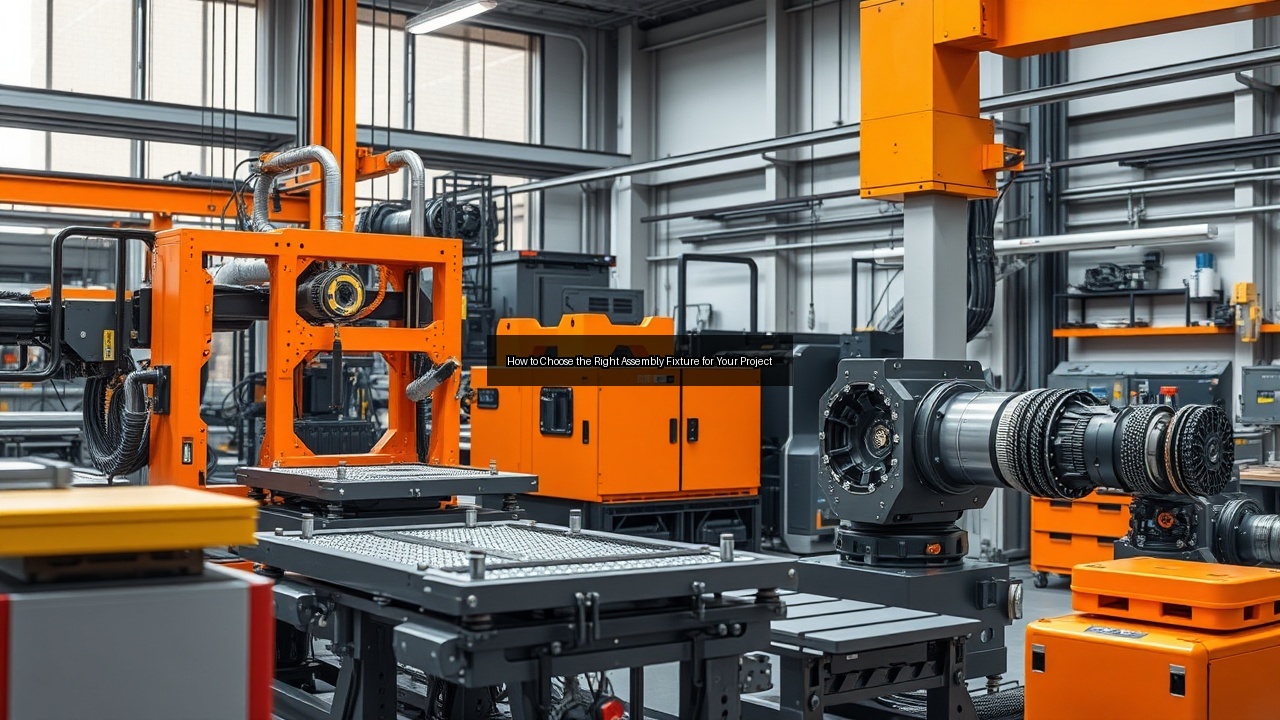
Understanding Assembly Fixtures
What Are Assembly Fixtures?
Assembly fixtures serve as essential tools in manufacturing processes, ensuring precision and consistency when assembling components. These specialized devices hold parts in place during the assembly phase, allowing for efficient production without sacrificing quality. By maintaining alignment and positioning, assembly fixtures facilitate the accurate application of various assembly tools, such as welding equipment or soldering stations. They play a critical role in reducing human error, enhancing productivity, and streamlining workflows. Understanding the purpose and functionality of assembly fixtures is paramount for any engineering team focused on optimizing their manufacturing processes.
The Role of Fixtures in Manufacturing
Fixtures significantly impact manufacturing efficiency. They provide a stable platform for assembling components, enabling workers to focus on their tasks without constantly adjusting or repositioning parts. This stability translates into higher accuracy, leading to less waste and rework. In high-volume production environments, the use of assembly fixtures becomes even more crucial, as they allow for quicker cycle times. By integrating fixtures into the assembly line, manufacturers can enhance productivity while ensuring consistent quality across their products. Ultimately, the right assembly fixtures can be a game-changer for manufacturers aiming to stay competitive in today's fast-paced market.
Types of Assembly Fixtures
Assembly fixtures come in various types, each designed to meet specific manufacturing needs. Custom fixtures offer tailored solutions for unique assembly tasks, while modular fixtures provide flexibility for different projects. Standard fixtures, often used for repetitive tasks, ensure reliability and speed. Additionally, jigs and tooling can be incorporated into assembly fixtures to aid in positioning and securing components. Advanced options, such as 3D printed fixtures, leverage cutting-edge technology to create lightweight, durable solutions that can be rapidly produced and modified. Each type of assembly fixture serves a distinct purpose, making it essential to choose the right one based on project requirements.
Factors to Consider When Choosing Assembly Fixtures
Cost Considerations and Budgeting
When selecting assembly fixtures, cost plays a pivotal role. Manufacturers must evaluate their budget to determine how much they can invest in fixtures without compromising on quality. While lower-cost options may seem attractive, they can lead to inefficiencies and increased expenses in the long run due to higher rates of rework or failure. It's essential to balance initial costs with expected returns on investment, including improvements in productivity and reductions in labor costs. A well-planned budget should also account for maintenance and potential upgrades over time. Ultimately, the right assembly fixture should deliver value that justifies its cost.
Material Selection: Diamond, Steel, and More
Choosing the right material for assembly fixtures is crucial for durability and performance. Steel remains a popular choice due to its strength and resistance to wear, making it ideal for heavy-duty applications. However, emerging materials such as diamond composites offer impressive hardness and longevity, especially in high-heat environments. Additionally, lightweight materials like aluminum or 3D printed plastics can enhance flexibility and ease of use. The selected material must align with the specific demands of the manufacturing process, including factors like heat resistance, weight, and compatibility with various assembly tools. Strategic material selection significantly impacts the fixture's overall effectiveness.
Technology Integration: Software and 3D Printing
The integration of technology into assembly fixture design revolutionizes manufacturing processes. Software tools allow engineers to simulate and optimize fixture designs before production, ensuring precision and efficiency. This virtual validation can identify potential issues early, saving time and resources. Additionally, the rise of 3D printing enables the rapid prototyping of custom fixtures, allowing for quick iterations and modifications. Using 3D printers, manufacturers can create fixtures tailored specifically to their needs, reducing lead times and costs associated with traditional manufacturing methods. Embracing these technological advancements brings a competitive edge in today's dynamic manufacturing landscape.
Best Practices for Designing Assembly Fixtures
Optimizing Layout for Productivity
Designing assembly fixtures requires a keen focus on layout optimization. A well-planned layout minimizes unnecessary movement and maximizes efficiency, directly impacting overall productivity. Consider the sequence of operations and how the fixture will be accessed by assembly personnel. Arranging tools and components within easy reach can significantly reduce cycle times. Additionally, integrating ergonomic principles into the design can enhance worker comfort and reduce fatigue. Thoughtful layout design contributes to a smoother workflow, making it easier for workers to maintain focus and achieve higher output levels. Investing time in optimizing the layout pays off in improved operational efficiency.
Utilizing Jigs and Tools in Design
Incorporating jigs and other tools into assembly fixture design enhances accuracy and ease of use. Jigs offer precise guidance for components, ensuring correct alignment during the assembly process. By integrating jigs into fixtures, manufacturers can streamline operations and reduce the potential for errors. Additionally, selecting the right tools that complement the assembly fixture can further enhance productivity. Tools should be easily accessible and designed to work seamlessly with the fixture, allowing workers to perform their tasks with minimal effort. The thoughtful integration of jigs and tools into fixture design creates a more efficient assembly environment.
Incorporating Threaded Inserts and Welding Techniques
Assembly fixtures often require the incorporation of threaded inserts and welding techniques to ensure robust assembly processes. Threaded inserts provide secure fastening points for components, enhancing the overall strength of the assembly. Their use allows for easy replacement of parts, extending the fixture's lifespan. Welding techniques can also play a crucial role in fixture design. By welding components together, manufacturers can create strong, permanent fixtures that withstand the rigors of production. Additionally, utilizing advanced welding methods can improve heat distribution and reduce stress concentrations. Combining these techniques leads to fixtures that offer superior performance and reliability.
Applications of Assembly Fixtures in Various Industries
Automotive Manufacturing
Assembly fixtures find extensive applications in automotive manufacturing, where precision and efficiency are paramount. These fixtures hold components such as frames, engines, and body panels in place during assembly, ensuring that each part fits perfectly. The automotive industry demands high-quality standards, and the use of assembly fixtures minimizes the risk of defects. Furthermore, integrating advanced technology, such as 3D printing for custom fixtures, allows automotive manufacturers to quickly adapt to changing designs and specifications. In this fast-paced environment, reliable assembly fixtures contribute to shorter production times and improved vehicle quality.
Electronics: Soldering and Drilling
In the electronics sector, assembly fixtures play a vital role in soldering and drilling processes. These fixtures hold circuit boards and components steady, allowing for precise application of solder and ensuring accurate drilling for component placement. The miniaturization of electronic components requires fixtures that can accommodate small parts while maintaining assemblies tight tolerances. Advanced assembly fixtures equipped with jigs and tooling enhance the efficiency of soldering and drilling operations, reducing the potential for errors. As technology evolves, the integration of 3D printed fixtures in electronics manufacturing is becoming increasingly common, providing flexibility and rapid prototyping capabilities.
Machining and Milling Processes
Assembly fixtures are indispensable in machining and milling processes, where accuracy and stability are crucial for achieving desired tolerances. These fixtures secure workpieces, allowing precision machining operations to take place without shifting or movement. By employing specialized fixtures designed for specific machining tasks, manufacturers can enhance productivity and reduce setup times. The integration of threaded inserts and advanced welding techniques further strengthens the assembly process, ensuring durability. Whether in aerospace, automotive, or industrial applications, effective assembly fixtures significantly improve the quality of machined parts and contribute to overall operational efficiency.