Pipe Fabrication Challenges and Solutions in Today’s Market
Current State of Pipe Fabrication in the Market
Overview of Pipe Fabrication Services
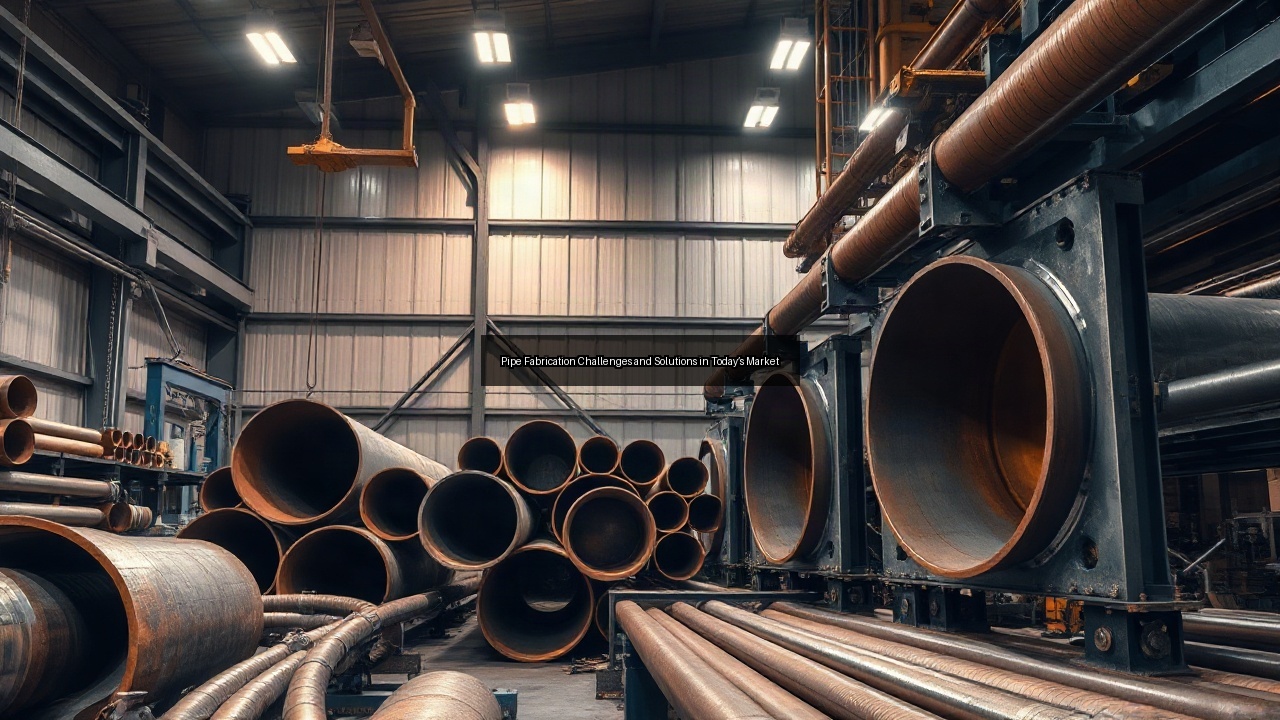
Pipe fabrication services cover the full process of transforming raw materials into functional piping systems for industrial use. Pipe fabrication companies cut, bend, weld, and assemble steel pipes and tubes to exact specifications. Shops handle projects ranging from basic straight runs to intricate headers that connect multiple lines in processing plants. Clients in energy, chemical, and construction sectors rely on these services to meet tight deadlines and performance standards. Metal pipe fabrication often requires specialized equipment for large-diameter steel pipe and high-pressure applications. Pipe fabrication shops maintain inventories of fittings and valves to speed up turnaround. Many firms now integrate design software directly with fabrication equipment, reducing errors and material waste. This integrated approach helps pipe fabrication companies deliver consistent quality across diverse projects while controlling overall project costs.
Trends in Steel Pipe Fabrication
Steel pipe fabrication continues to shift toward larger diameters and higher-strength alloys to support modern infrastructure demands. Fabricators adopt precision laser cutting and automated welding stations that improve joint integrity on steel pipes. Demand grows for custom tube bending that accommodates complex routing in compact spaces. Pipe fabrication companies invest in modular fabrication techniques that allow sections to be pre-assembled off-site and then connected quickly during installation. This method reduces field labor and improves safety. Shops also focus on traceability, marking every steel pipe segment with heat numbers and material certificates. The trend toward standardized spool drawings helps coordinate work between multiple pipe fabrication shops on the same project. These practices increase throughput while maintaining compliance with industry codes.
Impact of Global Supply Chain on Fabrication Costs
Global supply chain disruptions directly affect the price of steel pipe and related materials used in pipe fabrication. Tariffs and shipping delays raise the cost of imported fittings and alloy tubes. Pipe fabrication companies respond by qualifying additional domestic suppliers and adjusting inventory buffers. Fluctuations in raw material price force shops to renegotiate contracts frequently. Some fabricators stockpile critical sizes of steel pipes during periods of lower pricing to stabilize project budgets. The supply chain strain also influences lead times, pushing pipe fabrication shops to schedule work further in advance. Collaboration with logistics partners helps mitigate delays, yet the overall effect remains higher fabrication costs passed along to end users in many sectors.
Common Challenges in Pipe Fabrication
Material Sourcing and Price Fluctuations
Material sourcing presents ongoing difficulties for pipe fabrication companies because steel pipe prices swing with global demand and trade policies. Shops must secure consistent supplies of specific grades and wall thicknesses while managing sudden price spikes. When the price of alloy tube rises sharply, project margins shrink unless contracts include escalation clauses. Fabricators maintain approved vendor lists and often dual-source critical items to reduce risk. Inventory management becomes a balancing act between holding enough stock to avoid delays and avoiding excess capital tied up in materials. Pipe fabrication shops track market reports closely and adjust procurement strategies weekly. These measures help control costs, yet material volatility continues to challenge accurate bidding on long-lead projects.
Labor Shortages in Fabrication Shops
Labor shortages limit output in many pipe fabrication shops as experienced welders and fitters retire faster than new workers enter the trade. Pipe fabrication companies compete for skilled personnel by offering training programs and competitive wages. The shortage slows production of complex headers and custom steel pipe spools that require precise fit-up. Shops invest in cross-training existing staff to handle multiple roles, yet this approach only partially offsets the gap. Some firms partner with technical schools to create apprenticeship pathways that feed directly into pipe fabrication roles. Without enough qualified workers, lead times extend and quality can suffer during peak demand periods.
Quality Control Issues in Welding Pipe Fabrication
Quality control remains critical in welding pipe fabrication because defective joints lead to leaks or failures in service. Pipe fabrication companies implement rigorous inspection protocols, including radiographic testing and ultrasonic examination on critical welds. Variations in welder technique or equipment calibration can introduce defects that require rework. Shops document every weld on steel pipes with procedure qualification records and welder stamps. Digital weld logs help track performance trends and identify training needs. Despite these steps, maintaining consistent quality across large volumes of piping assemblies demands constant oversight and process refinement.
Innovative Solutions for Pipe Fabrication
Advanced Technologies in Metal Pipe Fabrication
Advanced technologies transform metal pipe fabrication by improving accuracy and repeatability. Pipe fabrication companies deploy CNC pipe profiling machines that cut complex contours without manual layout. Laser scanning captures as-built conditions on existing piping systems, allowing fabricators to produce replacement spools that fit precisely. These tools reduce fit-up time and minimize field modifications. Shops also adopt plasma and waterjet cutting for stainless and high-alloy tubes where heat distortion must stay minimal. The integration of 3D modeling software with fabrication equipment enables real-time updates when designs change, keeping steel pipe production aligned with client requirements.
Automation and Robotics in Fabrication
Automation and robotics increase throughput in pipe fabrication shops handling repetitive welding and material handling tasks. Robotic arms perform consistent fillet and groove welds on steel pipes, freeing skilled welders for more complex joints. Automated material racks deliver tube and fittings to workstations, cutting search time. Pipe fabrication companies program these systems to handle multiple diameters and wall thicknesses within a single shift. The result is higher daily output and reduced physical strain on workers. Early adopters report measurable gains in both speed and weld quality across large piping projects.
Collaboration Between Pipe Fabrication Companies
Collaboration between pipe fabrication companies allows shared resources during peak demand. Shops form alliances to transfer overflow work or lend specialized equipment for unique steel pipe jobs. Joint purchasing agreements help stabilize material price through volume commitments. These partnerships also facilitate knowledge exchange on best practices for welding pipe fabrication and quality documentation. Clients benefit from faster turnaround because the combined capacity of multiple fabricators meets aggressive schedules that single shops could not achieve alone.
Case Studies: Success Stories in Pipe Fabrication
Efficient Fabrication Processes in Leading Companies
Leading pipe fabrication companies streamline operations through standardized work cells and digital tracking. One firm reduced spool fabrication cycle time by 25 percent after reorganizing its shop floor around product families of steel pipes. Another implemented real-time production dashboards that highlight bottlenecks in welding pipe fabrication before delays accumulate. These process improvements allow consistent delivery of headers and piping assemblies even when material deliveries arrive late. The focus on measurable efficiency gains helps these companies maintain competitive pricing despite fluctuating input costs.
Overcoming Challenges Through Strategic Partnerships
Strategic partnerships help pipe fabrication companies overcome labor and material hurdles. One shop partnered with a regional technical college to recruit and train welders specifically for large-diameter steel pipe projects. Another joined forces with a material supplier to lock in pricing for six months on key tube sizes. These alliances stabilized both workforce availability and fabrication costs. The combined effect shortened project schedules and improved client satisfaction on complex piping installations.
Future Trends in Pipe Fabrication
Sustainability and Eco-Friendly Practices
Sustainability drives changes in pipe fabrication as companies seek to lower environmental impact. Fabricators recycle steel pipe scrap and optimize nesting software to reduce waste. Some shops switch to low-emission welding processes and energy-efficient equipment. Pipe fabrication companies also explore water-based coatings and biodegradable packaging for finished spools. These practices appeal to clients with corporate sustainability targets and can lower long-term operating costs through reduced energy consumption and waste disposal fees.
The Role of Digitalization in Fabrication Efficiency
Digitalization improves fabrication efficiency through connected equipment and data analytics. Pipe fabrication shops use IoT sensors on welding machines to monitor parameters and predict maintenance needs before breakdowns occur. Cloud-based project management platforms give clients real-time visibility into steel pipe production status. Advanced analytics identify patterns in defect rates and suggest process adjustments. As digital tools mature, pipe fabrication companies gain tighter control over schedules, quality, and costs across every stage of fabrication.