Why Thermosets are the Unsung Heroes of Injection Molding Applications
The Basics of Injection Molding and Thermosets
Understanding Injection Molding Process
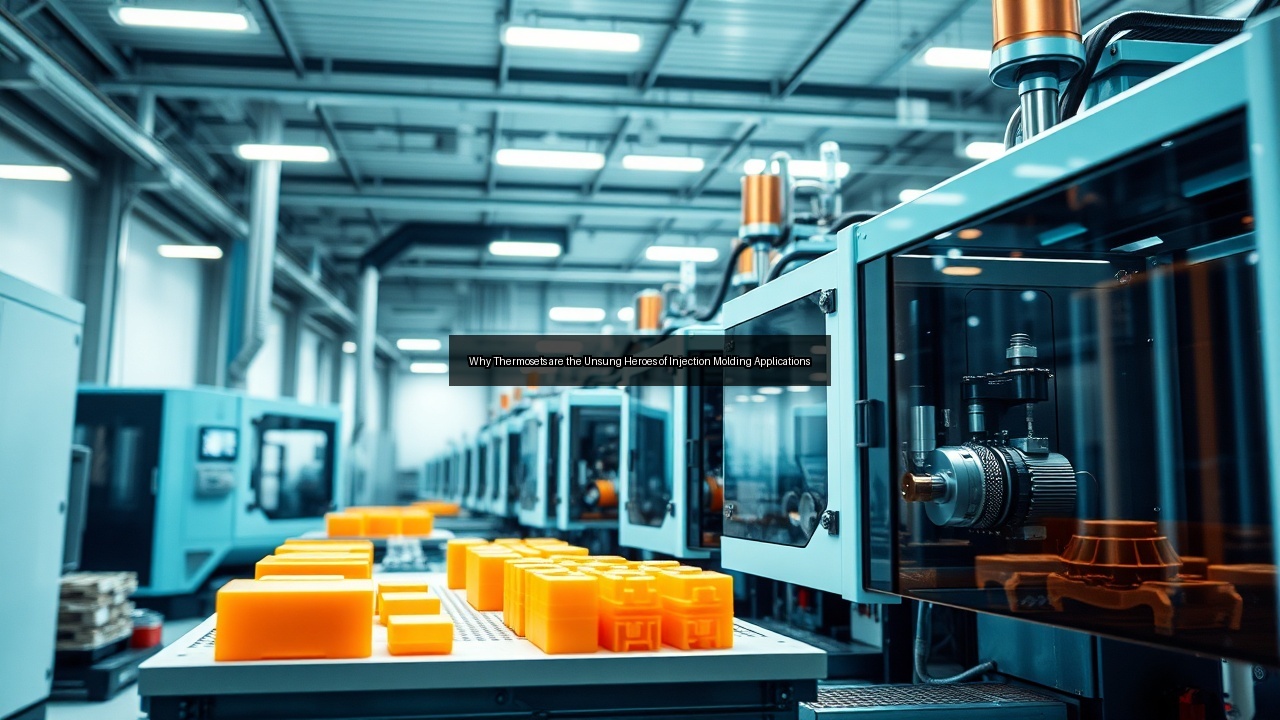
Injection molding thermosets begins with precise heating and high-pressure delivery of material into a mold cavity. A piston drives the compound forward through a heated barrel where it softens just enough to flow. Once inside the mold, the material undergoes a chemical reaction that locks its shape permanently. This sequence supports rapid cycles and consistent part geometry across thousands of repetitions. Engineers monitor temperature, pressure, and cure time to avoid voids or incomplete fills. The process handles intricate features such as undercuts and thin walls that other forming methods struggle to achieve. Automotive suppliers and electronics manufacturers rely on this reliability for high-volume output. Proper mold design and venting further reduce defects and scrap rates.
Differences Between Thermoplastics and Thermosets
Thermoplastics soften when reheated and can be remelted repeatedly, while thermosets form irreversible cross-links during the initial cure. This distinction means thermoplastic materials such as acrylonitrile butadiene styrene and polypropylene suit applications that require later reshaping or recycling. Thermosets, however, maintain structural integrity at elevated temperatures where thermoplastics would deform. Plastic injection molding lines often run both material families, yet the tooling and processing parameters differ sharply. Thermoset compounds demand controlled exothermic reactions inside the mold, whereas thermoplastic injection molding focuses on cooling to solidify the part. These fundamental behaviors guide material selection from the earliest design stage.
Key Characteristics of Thermoset Materials
Thermoset materials deliver high heat deflection temperatures and excellent dimensional stability once cured. Their molecular structure resists creep under sustained load, a trait valued in electrical housings and engine components. Chemical resistance to oils, solvents, and automotive fluids further extends service life. Molded parts exhibit low moisture absorption, preserving electrical insulation properties over time. Pigments and fillers integrate easily during compounding, allowing color and mechanical tuning without secondary operations. These traits make thermosets indispensable where repeated exposure to harsh environments would degrade alternative plastics.
Advantages of Thermosets in Injection Molding
Superior Thermal Stability and Chemical Resistance
Thermosets withstand continuous operating temperatures above 200 °C without softening or losing mechanical properties. This stability supports under-hood automotive parts and industrial equipment exposed to hot fluids. Chemical resistance stems from the dense cross-linked network that blocks penetration by aggressive media. Parts molded from phenolic or epoxy compounds routinely survive contact with brake fluids, transmission oils, and cleaning solvents. Engineers specify these grades when thermoplastic materials would swell, crack, or lose strength. The resulting components require fewer protective coatings and deliver longer maintenance intervals.
Mechanical Strength and Durability
Injection-molded thermoset parts combine high compressive strength with impact resistance when reinforced with glass or mineral fibers. The cured matrix transfers loads efficiently across the filler network, reducing localized stress concentrations. Fatigue performance under cyclic loading exceeds that of many unreinforced thermoplastics. Designers therefore select thermosets for structural brackets, gears, and electrical insulators that must endure vibration and mechanical shock throughout their service life. Surface hardness also resists abrasion in sliding or mating applications.
Cost-Effectiveness in Production
Thermoset injection molding reduces secondary finishing because parts emerge with smooth surfaces and tight tolerances. Cycle times remain competitive once molds reach operating temperature, and the absence of cooling channels simplifies tooling compared with some thermoplastic injection moulding setups. Material utilization stays high because runners and sprues can often be trimmed and reused within the same process. Lower scrap rates and minimal post-mold machining translate into favorable per-part economics at medium to high volumes.
Applications of Thermosets in Various Industries
Automotive Applications: The Role of Thermoset Plastics
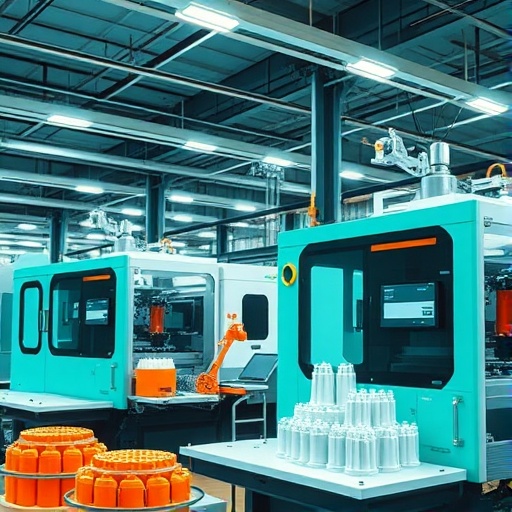
Thermoset plastics appear in brake pistons, intake manifolds, and transmission components where heat and chemical exposure rule out standard thermoplastics. Their dimensional stability preserves critical sealing surfaces across wide temperature swings. Electrical connectors molded from thermosets maintain insulation resistance even after prolonged exposure to road salts and engine oils. Lightweight thermoset composites also replace metal castings in structural brackets, trimming vehicle mass without sacrificing strength. These choices improve fuel economy while meeting stringent durability targets.
Medical Devices and ISO 13485 Compliance
Medical device manufacturers adopt thermoset injection molding to produce sterilizable housings and surgical instrument handles. The materials tolerate repeated autoclave cycles without deformation or loss of mechanical integrity. Compliance with ISO 13485 demands traceable processes and validated molding parameters; thermoset compounds support these requirements through consistent cure behavior and low extractables. Precision-molded parts meet tight tolerances needed for fluidic interfaces and ergonomic grips. The resulting devices withstand rigorous cleaning protocols while retaining functional performance.
Consumer Electronics and Their Dependence on Thermoset Materials
Consumer electronics rely on thermoset compounds for switch housings, circuit breakers, and appliance handles that must resist heat from internal components. The materials provide inherent flame retardancy without heavy additive packages that can migrate over time. Injection molded thermoset parts also deliver the surface finish and color stability expected in visible consumer products. Their electrical insulation properties protect users from live circuits, while mechanical toughness prevents cracking during assembly or daily handling.
Challenges and Solutions in Thermoset Injection Molding
Recyclability Issues with Thermoset Plastics
Recyclability remains limited because cured thermosets cannot be remelted like thermoplastics. Ground thermoset scrap typically serves as filler in new compounds or construction materials rather than returning to primary molding streams. This constraint pushes manufacturers to optimize part designs that minimize waste and maximize material yield. Emerging chemical recycling routes show promise but require further scale-up before widespread adoption. Current best practices focus on closed-loop reuse of uncured scrap and precise shot-size control to cut reject rates.
Innovations in Thermoset Molding Techniques
Recent advances include servo-driven piston systems that deliver tighter control over injection speed and pressure profiles. These refinements reduce internal stresses and improve surface quality on complex geometries. Multi-cavity molds with balanced runner layouts increase throughput while maintaining uniform cure across all cavities. In-mold sensors now track real-time viscosity and cure state, allowing automatic adjustments that cut cycle time and scrap. Such innovations expand the range of parts suitable for thermoset injection molding.
Addressing Environmental Concerns in Production
Producers reduce environmental impact by switching to bio-based resins and low-emission curing agents. Closed-loop water systems cool molds without discharging heated effluent. Energy recovery from exothermic reactions offsets a portion of the heating load. These measures align with tightening regulations while preserving the performance advantages that make thermosets valuable. Continued collaboration between material suppliers and molders accelerates adoption of greener formulations without compromising part reliability.
The Future of Thermosets in Injection Molding
Emerging Trends in Thermoset Polymers
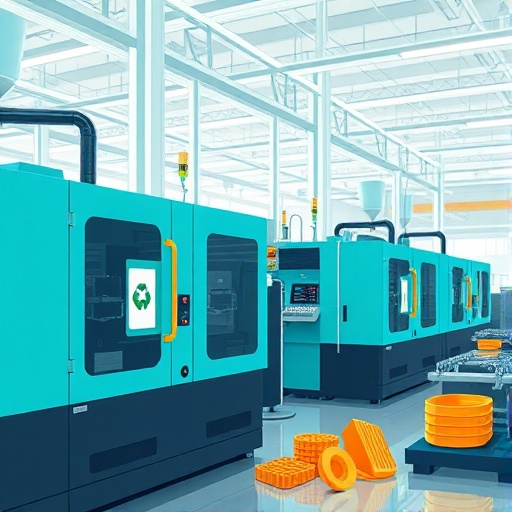
New thermoset polymers incorporate nano-fillers that boost thermal conductivity while retaining electrical insulation. Fast-cure formulations shorten cycle times, making thermosets competitive with thermoplastic injection molding even on thinner wall sections. Hybrid compounds blend thermoset matrices with limited thermoplastic content to improve toughness without sacrificing heat resistance. These developments open previously inaccessible markets such as high-temperature electronics and lightweight structural composites.
Comparative Analysis with Thermoplastic Injection Molding
Thermoplastic injection molding offers easier recyclability and lower processing temperatures, yet thermosets excel when continuous heat or chemical exposure dominates the application. Part designers weigh upfront tooling costs against long-term durability; thermoset routes often win for under-hood and industrial components. Cycle time gaps narrow as cure chemistry advances, reducing the historical advantage held by thermoplastics. Material cost per kilogram remains comparable once performance requirements are factored in.
The Role of Chemicals in Advancing Thermoset Applications
Specialty chemicals tailor cross-link density, cure kinetics, and flame retardancy to meet exacting specifications. Reactive diluents lower viscosity for improved flow into fine details, while catalysts enable lower mold temperatures that protect sensitive inserts. Additive packages enhance UV stability for outdoor exposure and reduce volatile emissions during molding. These chemical innovations directly expand the design space for injection molding thermosets across demanding sectors.